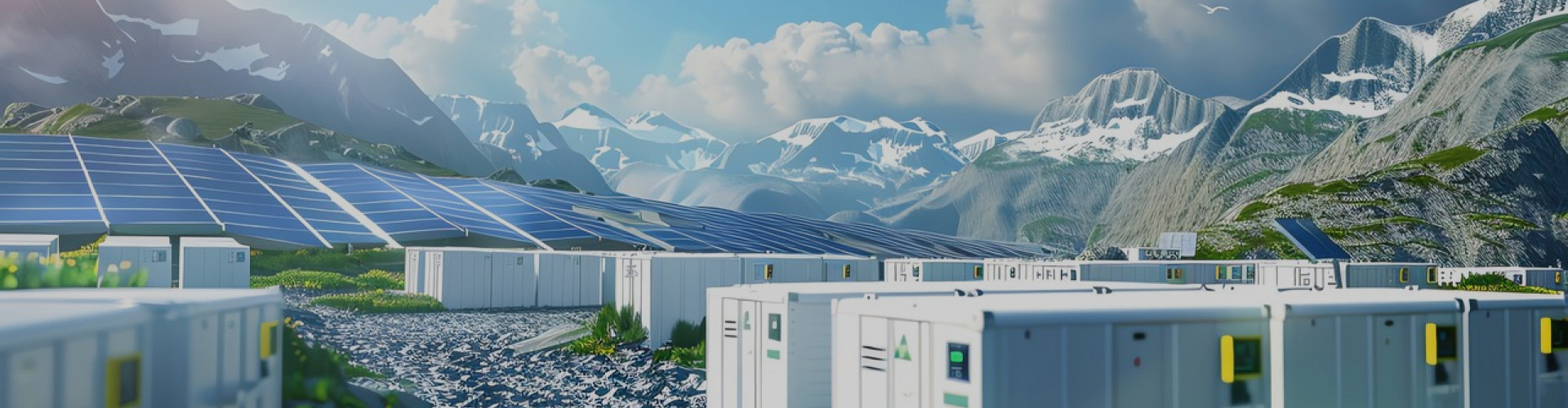
Modern commercial infrastructure requires highly advanced hardware configurations to secure stable power delivery and mitigate volatile market pricing structures. Deploying localized energy storage solutions allows facilities to balance clean energy inputs, capture surplus generation, and maintain continuous industrial uptime during macro-grid failures.
Successfully organizing a decentralized microgrid dictates an accurate assessment of thermodynamic control protocols, electrochemical lifecycle endurance, and digital network integration frameworks. Building operators seek robust stationary storage systems that function smoothly under heavy, continuous bidirectional power demands.
The Mechanics of Full Cycle Yield Optimization
Industrial sites experience complex load fluctuations as heavy equipment runs and large heating, ventilation, and air conditioning (HVAC) units cycle through changing operational shifts. Standard solar or wind installations without dedicated local storage repositories often waste high amounts of generation due to regional capacity lines. Storing this surplus electricity keeps power readily usable when manufacturing demands cross baseline thresholds.
A comprehensive approach focuses on delivering high returns over the full cycle of wind and solar energy storage. Maximizing financial yield requires hardware assemblies designed to absorb rapid power surges and discharge efficiently over thousands of lifetimes. High-performance throughput features lower cross-line conversion losses and stabilizes overall investment metrics for long-term project planning.
Architectural Planning for Grid Tied Generation Networks
Integrating renewable generation with existing building panels requires a disciplined approach to electrical balance of plant setups. System designers analyze daily load curves to size physical battery assets correctly against specific facility demand metrics. Streamlining these electrical paths lowers installation complexity and decreases configuration times for engineering teams on-site.
Deploying optimized battery energy storage solutions changes how a commercial facility manages its environmental and economic footprint. Well-engineered configurations reduce systemic power degradation and isolate technical anomalies before they reach critical building machinery. Secure, local power storage provides a reliable foundation for decentralized enterprise energy infrastructure.
Intelligent Control Logic and Online Asset Interconnection
Managing variable clean generation fields requires sophisticated internal tracking software capable of executing continuous preventive diagnostics automatically. Modern stationary battery configurations rely heavily on online interconnection to stream real-time performance data to remote monitoring systems. Automated processing enables optimal data synchronization and quick response times during volatile grid conditions.
Advanced hardware platforms leverage intelligent control and online interconnection to make overall microgrid operations more stable and reliable. Real-time data transmission allows site managers to execute timed scheduling, manage peak-shaving thresholds, and optimize internal self-consumption profiles instantly. Smart technical orchestration supports hassle-free energy management and provides deep operational oversight over multiple properties.
Mitigating Operational Faults via Multi Tier Safety Frameworks
Dense chemical cell matrices placed near active commercial work zones require multi-layered, prevention-oriented protective hardware strategies. Enclosures must utilize composite multi-sensor detection platforms that evaluate localized temperature variables, smoke patterns, and gas accumulations at high frequencies. Automated safeguards isolate internal thermal anomalies swiftly before physical damage can spread.
The hardware solutions designed by Dyness include a comprehensive three-level fire protection detection system combined with automatic aerosol suppression. This safety design responds rapidly upon detecting an internal thermal threat, completing mitigation steps for facility infrastructure protection. Implementing secure, automated defensive frameworks protects nearby equipment and minimizes operational site risks.
Minimizing Maintenance Overhead Through Automated Monitoring and Long-Life Hardware
Commercial operators require reliable stationary hardware that operates with minimal hands-on maintenance to preserve long-term project profitability. Systems vulnerable to constant cell balancing drift or frequent communication errors generate expensive on-site repair calls that disrupt company schedules. Successful engineering utilizes automated monitoring to maintain baseline parameters cleanly.
The engineering team focuses on delivering high-quality and long service intervals by prioritizing customer-centered, peer-to-peer solution development. This manufacturing ethos concentrates on building solid-state components that carry an extended up to 10 years high performance guarantee. Reducing physical site interventions enables high operational reliability and lowers overall system life cycle costs.
Environmental Durability Design for All Weather Infrastructure
Outdoor utility areas and unconditioned industrial zones subject heavy energy storage cabinets to severe wind, dust ingress, and shifting seasons. Sensitive internal battery cells and delicate control boards require high-grade external defense casings to reduce short circuits and moisture ingress. Strong weatherproofing keeps internal cell temperatures balanced within safe limits.
Heavy-duty equipment incorporates industrial IP55 outdoor enclosures combined with smart air-cooled or liquid-cooled heat dissipation technology. These structural protection mechanisms support efficient, continuous operation in ambient temperatures ranging from -20°C up to +50°C. Robust physical containment shields critical electrical components from degradation under the harshest environmental constraints.
Custom Manufacturing Methods and Flexible Storage Platforms
Standard off-the-shelf energy equipment infrequently satisfies the precise localized regulations or unique space constraints of diverse global markets. Distinct international territories present specific grid connection codes, customized labeling guidelines, and proprietary branding criteria. Overcoming these multi-layered regional barriers demands adaptive production lines and close design cooperation.
Enterprise engineering teams collaborate closely with manufacturing specialists to build optimized storage layouts tailored to specific project boundaries. Flexible production lines customize external finishes, communications protocols, and internal capacity blocks to reflect private brand parameters accurately. Delivering tailored physical platforms helps final deployments meet local grid safety requirements reliably.
Conclusion
Reliable deployment of commercial and industrial power projects requires the selection of advanced full-cycle smart solutions, stable cell chemistries, and scalable modular configurations. Utilizing comprehensive energy storage solutions that provide intelligent control and online interconnection enables facility operators can handle grid blackouts, optimize peak shaving, and reduce utility expenses.
At Dyness, the engineering focus remains centered on providing the reliable, low-maintenance, and climate-resilient battery energy storage solutions required to drive the global transition to clean energy.