A residential energy system is no longer defined by solar panels alone. Once a household adds battery storage, electric vehicle charging, electric heating, or digital monitoring, electricity generation and consumption become parts of a much broader system. Sustainable energy storage can help connect these components by balancing generation, storage, and household demand, allowing the equipment to work together around the same household energy flows rather than operate as isolated devices.
That is why the key features of residential energy solutions are best understood through their composition. Storage provides a way to shift energy across different periods, the battery supplies the physical storage capacity, the hybrid inverter connects generation and loads, and monitoring adds visibility into system activity. EV chargers and heat pumps can then extend the same energy architecture as household electricity demand evolves.
What Should a Complete Residential Energy Solution Include?
Storage addresses the mismatch between when electricity is produced and when it is needed. The battery serves as the physical reservoir, while the inverter provides the electrical connection between generation, storage and household consumption. Monitoring sits above these hardware layers, giving users information about how the system is operating.
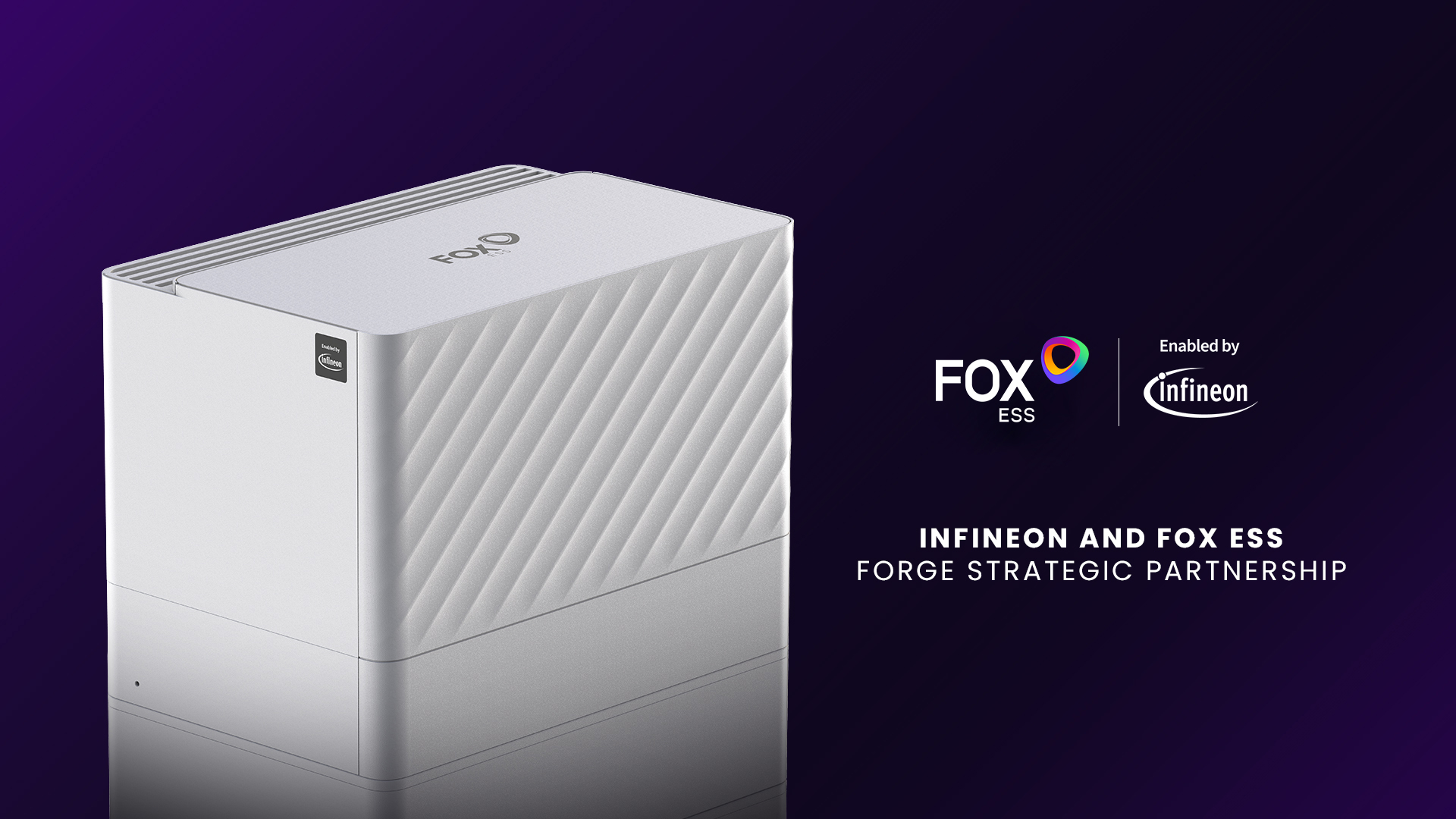
Fox ESS brings these categories together within its residential product portfolio, which includes batteries, hybrid inverters, EV chargers, heat pumps and FoxCloud 2.0.
The important point is the relationship between these components. A battery without the right power-conversion equipment cannot form a complete storage system, while hardware without monitoring gives users far less visibility into everyday energy behavior.
How Do Storage and Battery Work Together in the Home?
Energy storage describes the function of keeping electricity available for later use. The battery is the physical equipment that makes that function possible. Treating the two as interchangeable can make system planning less precise.
Imagine a home producing more solar electricity during the afternoon than it needs at that moment. Storage allows some of that energy to remain available for a later period when household demand rises. The battery therefore connects two different moments in the home’s electricity consumption.
Capacity also needs to reflect the way the household may use energy. A residence with changing electricity demand may need a different configuration from one with a relatively stable load profile. Modular battery designs can make that distinction easier to address.
Fox ESS describes its residential batteries as high-performance, scalable lithium batteries with modular designs and flexible capacity options. That positioning allows the physical storage layer to be considered alongside different home energy requirements rather than as a one-size-fits-all product.
Where Does the Hybrid Inverter Fit Into the Energy Flow?
Electricity has to move between several parts of a residential system. Solar generation produces electricity, household appliances consume it, and the battery can hold energy for later use. The hybrid inverter sits at the point where these different electrical functions meet.
Its role makes the inverter part of the system architecture rather than an independent accessory. A suitable hybrid inverter can connect with battery storage while handling the conversion required between the different sides of the electrical system.
Fox ESS‘s hybrid inverter range includes models designed to work with its high-voltage batteries, while selected products also support remote monitoring through a smartphone app or web portal.
Why Does a Residential Energy Solution Need Monitoring and Management?
Hardware explains where electricity can go. Monitoring helps users understand what is actually happening.
A residential system may be generating solar power, charging a battery and supplying household loads within the same day. Without an accessible view of those activities, users have limited context for understanding their energy consumption and system operation.
FoxCloud 2.0 adds this digital layer to the residential ecosystem. Fox ESS presents it as a system-monitoring platform that enables users to control energy dynamics and monitor their system. Its residential product information places FoxCloud 2.0 alongside the physical energy products rather than treating digital monitoring as an unrelated service.
That makes energy management software part of the overall solution architecture. Monitoring can help users see how production, storage and consumption relate to one another, giving the physical equipment a more understandable operating context.
How Can EV Chargers and Heat Pumps Become Part of the Same System?
Household electricity demand does not stop at conventional appliances. An EV charger introduces vehicle charging as a new electrical load, while a heat pump can make electricity part of the home’s heating or hot-water requirements.
Those additions change the meaning of a residential energy system. Storage may need to sit alongside higher or more variable household demand, while monitoring becomes more relevant as the number of energy-consuming devices grows.
Its heat-pump range also includes systems with SG Ready functionality, with operating data able to be transmitted to Fox ESS Cloud through Wi-Fi or LAN. This creates a clearer connection between an electrically powered heating device and the wider digital energy environment.
As household electrification continues, sustainable energy storage can therefore be viewed within a larger residential energy framework. The battery is no longer serving only a solar installation; it can become one element in a home that increasingly produces, stores and consumes electricity in different ways.
What Makes the Combination More Valuable Than Individual Products?
Storage gives the home flexibility over when electricity is used. The battery provides the physical capacity behind that function. The hybrid inverter creates the electrical pathway between generation, storage and loads. Monitoring makes system activity visible, while EV charging and heat pumps create additional opportunities for electricity to be used within the same household environment.
That is where the broader value of energy storage solutions becomes clear. Their usefulness depends not only on how much energy can be stored, but also on whether the storage system fits the home’s power architecture, monitoring layer and evolving electricity demand.
The Fox ESS portfolio combines batteries, hybrid inverters, FoxCloud 2.0, EV chargers, and heat pumps to support integrated residential energy systems. This combination allows homeowners to connect energy generation, storage, monitoring, electric vehicle charging, and heating within a more coordinated household energy setup as their energy needs evolve.