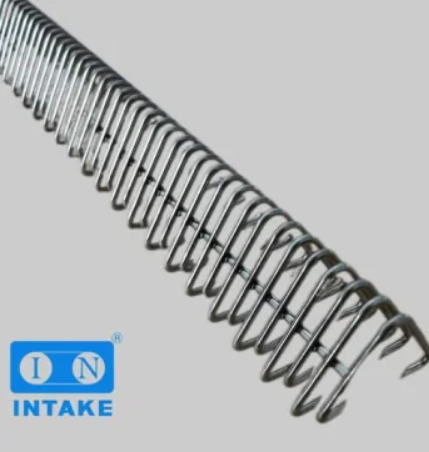
Industrial material handling depends on conveyor systems to move products efficiently through manufacturing, mining, agriculture, logistics, and food processing facilities. While motors, rollers, and belts often receive the most attention, belt fasteners also play an important role in keeping conveyor systems operating reliably. Choosing suitable fastening solutions can reduce installation time, simplify maintenance, and help minimize production interruptions. Companies searching for a reliable belt fastener manufacturer often evaluate product quality, compatibility, and long-term service support before making purchasing decisions.
Why Belt Fasteners Matter in Conveyor Performance
A conveyor belt experiences continuous tension, bending, and impact during operation. The connection point between two belt ends is exposed to repeated mechanical stress, making the fastener an important component of the entire conveying system. A properly selected fastener helps maintain belt alignment while allowing the conveyor to continue operating under different working conditions.
Different industries place different demands on belt fasteners. Mining applications may require resistance to abrasion, while agricultural processing often values easy installation and convenient maintenance. Food processing environments may also consider hygiene and cleaning requirements when selecting fastening systems. Understanding these operating conditions helps buyers choose products that fit their equipment rather than relying on a single solution for every application.
How a Belt Fastener Manufacturer Supports Industrial Applications
Manufacturing capability directly influences the consistency of fastening products. Material selection, dimensional accuracy, and production processes all contribute to the final performance of belt fasteners. Buyers usually look for suppliers that can provide stable quality across multiple production batches, especially when purchasing for long-term equipment maintenance.
Intake focuses on supplying fastening products for business customers and distribution partners. They emphasize manufacturing quality and carefully controlled production processes to achieve product performance that closely matches imported alternatives. Their fastening products are also produced using specialized materials that are available from only a limited number of factories, giving industrial buyers additional options when evaluating suitable components for demanding applications.
Material Selection Influences Service Life
The material used in a belt fastener affects wear resistance, corrosion resistance, and overall durability. Industrial environments often expose conveyor components to moisture, dust, chemicals, or continuous friction. Selecting suitable materials can help reduce premature wear and extend maintenance intervals.
Material engineering is therefore an important consideration during procurement. Buyers increasingly compare not only product dimensions but also manufacturing consistency and raw material quality. This is one reason many purchasing teams request product samples before placing larger orders, allowing compatibility testing under actual operating conditions.
Customization Meets Different Conveyor Requirements
Not every conveyor system uses the same belt thickness, operating speed, or load capacity. As a result, standardized products may not always satisfy project requirements. Customization allows manufacturers to provide fastening solutions that better match specific conveyor configurations and industrial applications.
For distributors and equipment manufacturers, customized products may also help support specialized customer requirements across different markets. Intake provides customization services for suitable projects and works with business customers to discuss application needs before production. This approach can improve product compatibility while supporting OEM and distribution partnerships.
Why Businesses Evaluate a Global Fastening Manufacturer
Industrial purchasing has become increasingly international. Many companies source conveyor components from overseas suppliers while maintaining consistent product specifications across multiple factories. Because of this trend, buyers often compare manufacturing capacity, technical support, delivery reliability, and communication efficiency when selecting a global fastening manufacturer.
Beyond product quality, after-sales support also contributes to purchasing decisions. Technical documents, operating guidance, and installation resources help distributors and maintenance teams understand correct installation procedures. This reduces unnecessary installation errors and improves maintenance efficiency during equipment servicing.
Technical Support Improves Installation Efficiency
Even experienced maintenance personnel benefit from clear installation guidance. Proper fastening methods influence belt tracking, joint strength, and long-term operating stability. Incorrect installation may shorten service life regardless of the fastener’s manufacturing quality.
To support customers after purchase, Intake provides operation video tutorials that demonstrate installation procedures and practical usage. These resources help distributors introduce products to their own customers while also assisting maintenance personnel who may be using the fastening systems for the first time.
Supply Reliability for Distribution Partners
For industrial distributors, delivery schedules can directly affect customer service. Equipment maintenance projects are often planned around production shutdown periods, making reliable shipment timelines an important purchasing factor. Shorter lead times allow distributors to respond more quickly to replacement orders and urgent maintenance requirements.
According to their business information, Intake generally ships standard products within three days after order confirmation, while customized products are typically completed in about one week. They also provide free samples for qualified business customers and offer pricing discounts on orders above specified purchase values, helping distributors evaluate products before expanding cooperation.
What Purchasing Teams Should Consider from a Global Fastening Manufacturer
Selecting a supplier involves more than comparing prices. Procurement managers generally evaluate manufacturing capability, product consistency, technical support, customization options, and long-term supply stability. These factors become increasingly important for companies serving industrial customers across multiple regions.
When reviewing a global fastening manufacturer, buyers may also examine communication efficiency, sample availability, production flexibility, and the supplier’s ability to support distributors. These practical considerations often contribute to smoother procurement processes and stronger long-term business relationships.
Conclusion
Reliable conveyor performance depends on many components working together, and belt fasteners remain one of the key elements that influence maintenance efficiency and operational continuity. Careful evaluation of manufacturing quality, material selection, and technical support helps industrial buyers reduce unnecessary downtime while improving equipment reliability.
For distributors, equipment manufacturers, and industrial procurement teams, working with suppliers that combine consistent production, customization capability, practical technical resources, and dependable delivery can support long-term business development. These considerations explain why companies continue to assess suppliers carefully when selecting fastening solutions for industrial material handling applications.