Industrial demand for high-precision components continues to grow, particularly within the automotive and power utility sectors. Manufacturers are constantly seeking equipment that offers stability, consistency, and technological maturity to meet stringent quality requirements.
For enterprises producing specialized components such as O-rings, sealing strips, and high-voltage insulators, selecting the appropriate machinery is a critical operational decision. Operating with more than 25 years of industry experience, HWAYI serves as a notable entity in the rubber machinery manufacturing sector. They have built a strong foundation through independent research and manufacturing capabilities, delivering equipment that reaches buyers across more than 30 countries.
When analyzing the capabilities of a liquid silicone rubber injection molding machine, it is essential to understand the specific engineering features that facilitate efficient production. These technical attributes determine how well the equipment can handle complex geometries, strict dimensional tolerances, and high-volume output demands while maintaining operational safety.
Precision Engineering and Closed-Loop Control in a lsr molding machine
One of the primary technical requirements for any advanced liquid silicone rubber injection molding machine is its ability to maintain precise control over the injection process. In auto-parts manufacturing—such as producing precision door seals, dust covers, and intricate O-rings—dimensional accuracy is vital for the end product’s performance. Modern equipment utilizes closed-loop control injection systems that allow operators to cooperate with multiple sets of molds. This system enables different phases of pressure and speed settings, ensuring that the liquid silicone material is dosed accurately and injected with consistent stability.
By carefully monitoring temperature and injection metrics, the machinery reduces the likelihood of material waste and minimizes the occurrence of flash on the finished parts. For power-industry enterprises that manufacture hollow bushings, surge arresters, and T-type connection joints, this level of precision helps ensure that the final insulating products meet necessary safety and conductivity standards.
Furthermore, accurate material dosing is crucial for maintaining the structural integrity of the components under varying environmental conditions. The integration of advanced control mechanisms ensures that each cycle produces consistent results, which is a significant consideration for businesses aiming to reduce defect rates and optimize their overall manufacturing yield.
Structural Design, Safety, and Operational Flexibility
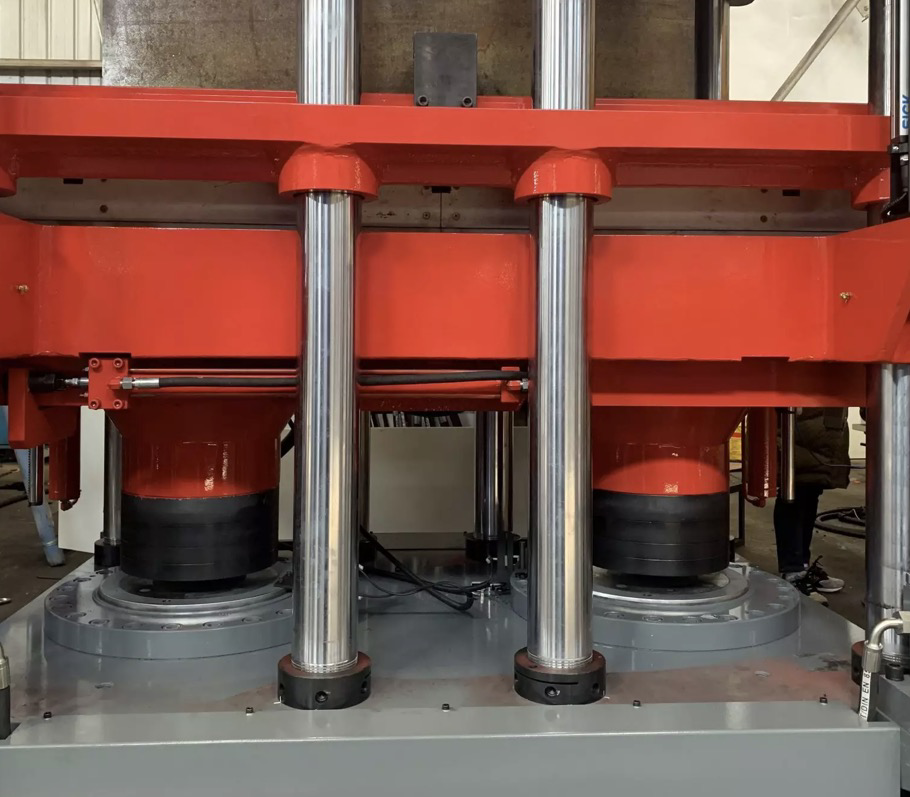
Beyond injection precision, the physical framework of the equipment plays a fundamental role in its long-term viability. A robustly designed lsr molding machine typically incorporates a highly stable machine base and specialized clamping units that promote optimal parallelism during the molding process. Structural stability directly impacts the longevity of the molds and the uniformity of the manufactured components. To address industrial safety standards, such as those required for CE certification, modern designs often feature clamping platens that slide smoothly on guide rails located on the machine base.
This configuration enhances operational safety for floor workers while maintaining the structural rigidity required for high-pressure injection tasks. Additionally, convenience in daily operations is a major factor for B2B buyers. Many contemporary models utilize a tiebar-less structure with ample upper space. This specific design choice provides considerable flexibility, making it highly convenient to load and install heavy molds using a crane or forklift.
For manufacturers dealing with large-scale components like composite rubber insulators or specialized auto parts, this flexibility significantly reduces setup times. It allows factory personnel to transition between different production runs with greater ease, thereby supporting a more agile manufacturing environment that can respond to shifting client demands without extended downtime.
Energy Efficiency and Automated Production Capabilities
As industrial facilities increasingly focus on optimizing their operational costs, the energy consumption of heavy machinery becomes a focal point during the procurement process. A modern liquid silicone rubber injection molding machine is frequently equipped with an energy-saving servo system. Advanced servo-hydraulic technology regulates power usage by delivering energy precisely when required during the injection and curing cycles, which helps reduce overall electricity consumption while sustaining stable operational performance.
Alongside energy management, automation is another critical feature that defines the capability of current manufacturing equipment. The equipment typically supports fully automated sequences, encompassing automatic feeding, mixing, injection, and demolding processes. For enterprises engaged in continuous production of automotive seals, O-rings, silicone components, or electrical insulation partsautomation minimizes the reliance on manual intervention. This reduction in manual handling not only lowers labor costs but also mitigates the risk of human error, leading to higher production consistency. By streamlining the entire cycle from raw material intake to the ejection of the finished part, these automated systems substantially elevate overall production efficiency, allowing manufacturers to meet tight delivery schedules with confidence and reliability.
Custom Solutions and Reliable After-Sales Support
For enterprise-level buyers, the hardware itself is only one part of the purchasing equation; technical support and tailored solutions are equally critical. HWAYI recognizes that different sectors, from auto-parts to power utilities, have unique manufacturing requirements that standard configurations may not fully address.
Therefore, their engineering approach often involves providing customized machinery setups based on specific product structures, cavity quantities, and facility layouts. Backed by a portfolio of over 20 invention patents and more than 40 utility patents, the technology integrated into the equipment demonstrates a mature understanding of rubber machinery applications. Furthermore, dependable after-sales service and experienced technical teams are essential for maintaining equipment uptime.
When investing in a lsr molding machine, factory managers look for partners who can offer comprehensive turnkey projects, including the integration of clamping machines, pump machines, and metering units alongside the molds. This holistic approach ensures that the entire production cell
operates harmoniously from day one. By prioritizing proven sales history, ISO9001 compliance, and long-term service reliability, equipment providers can build enduring relationships with industrial clients, helping them navigate complex manufacturing challenges with robust and adaptable technology.