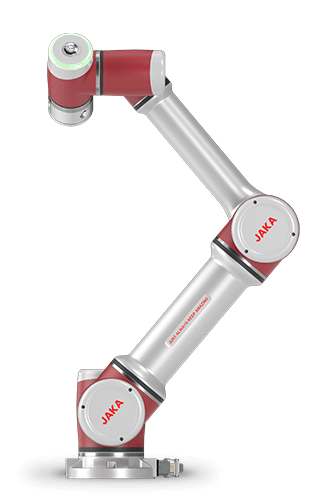
As industries continue to adopt advanced automation, the evolution of robot technology is reshaping how humans and machines work together. The rise of the collaborative robot has made it possible to combine human creativity with robotic precision in shared workspaces. Companies like JAKA are at the forefront of this transformation, offering flexible robotic solutions designed for safe interaction, easy deployment, and high efficiency. With ongoing innovation, the future of robot technology will further enhance the role of each collaborative robot in modern production.
Smarter and More Adaptive Systems
One of the most significant trends in robot technology is the integration of artificial intelligence and advanced sensing capabilities. A collaborative robot is no longer limited to repetitive tasks; it can now recognize objects, adapt to environmental changes, and optimize workflows in real time. JAKA continues to develop robots with high repeatability, lightweight structures, and intuitive programming interfaces, allowing users to quickly deploy a collaborative robot across multiple applications. As robot technology advances, these systems will become even more autonomous while maintaining safe interaction with human operators.
Greater Flexibility Across Industries
The future of the collaborative robot lies in its ability to adapt to diverse industries, from electronics assembly to healthcare and logistics. With compact design and multiple payload options, JAKA robots can be easily integrated into existing production lines. This flexibility allows businesses to scale operations without major infrastructure changes. As robot technology evolves, more companies will rely on collaborative robot solutions to handle complex, small-batch, or customized production tasks efficiently.
Enhanced Human-Robot Collaboration
Looking ahead, robot technology will focus on improving the interaction between humans and machines. Advanced safety features, force control, and real-time monitoring will enable each collaborative robot to work more naturally alongside people. JAKA emphasizes user-friendly operation and system stability, ensuring that businesses can achieve both productivity and safety. As these innovations continue, the collaborative robot will play an increasingly vital role in shaping smarter, more connected industrial environments.