Commercial kitchens and canteens use natural gas for cooking and food preparation, but leaks can create fire, explosion, and asphyxiation risks. Effective safety combines inspections, trained staff, portable testing, and fixed detection where continuous monitoring is needed. A portable natural gas leak detector helps personnel investigate suspected releases, while fixed systems provide ongoing coverage. Equipment selection requires attention to gas type, sampling, alarms, and maintenance.
Why Natural Gas Monitoring Matters in Food-Service Facilities
Cooking areas contain several potential leak points, including pipe joints, valves, regulators, flexible connections, and appliance fittings. Equipment may be moved for cleaning or maintenance, while heat, grease, and frequent use can place additional demands on connections. A small leak may go unnoticed when ventilation disperses the gas before staff recognize an odor.
Natural gas is typically methane-rich and lighter than air, so it can accumulate near ceilings or in poorly ventilated high spaces. However, airflow, room layout, extraction hoods, and structural features influence where gas travels. A monitoring plan should consider the actual kitchen rather than assume that one detector position will identify every release.
Where Portable Checks Fit into a Gas Safety Plan
Portable instruments are useful for targeted checks during inspections, maintenance, equipment commissioning, and follow-up after a suspected leak. Staff can use a portable natural gas leak detector to examine accessible pipework, appliance connections, meter areas, and other locations identified by the risk assessment. The instrument should be suitable for methane or the specific gas mixture in use.
Portable testing with a portable natural gas leak detector is not a substitute for fixed detection or a complete leak investigation. Readings depend on detector placement, response time, sampling technique, and ventilation. Staff should follow the instrument manual and site procedures, avoid placing themselves in a potentially hazardous atmosphere, and never use a detector reading alone to declare an area safe.
Selecting Equipment for Commercial Kitchens
Before purchasing equipment, facility managers should identify the fuel composition, expected concentration range, environmental conditions, and required response. They should also consider sensor technology, measurement range, alarm functions, response time, battery life, ingress protection, and calibration arrangements. A portable natural gas leak detector intended for routine inspections should be practical to carry and simple for trained staff to operate.
Procurement teams should review documentation rather than rely only on product descriptions. A qualified gas detector manufacturer should provide clear information about target gases, sensor limitations, operating conditions, calibration intervals, and compatible test accessories. For multi-site food-service operators, consistent equipment and maintenance procedures can also make training and recordkeeping easier.
Combining Portable Instruments with Fixed Detection
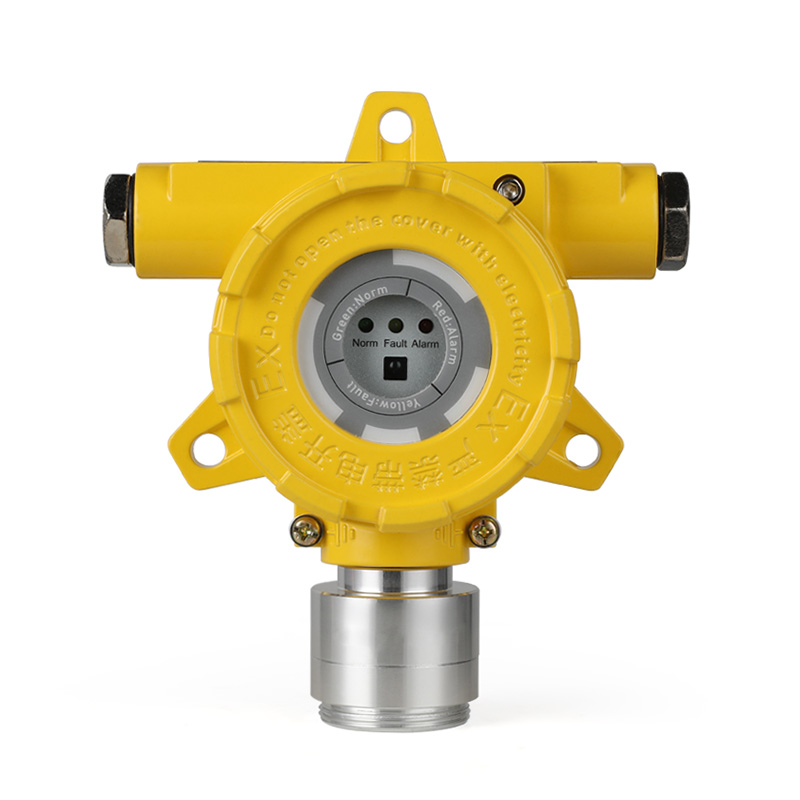
Portable instruments support mobile inspections, while fixed detectors can monitor selected risk areas continuously. In a commercial kitchen, fixed sensors may be considered near gas appliances, supply lines, or other locations identified by a competent risk assessment. Sensor positioning should account for methane’s buoyancy, ventilation patterns, ceiling geometry, and possible obstructions. Installation and alarm integration should follow applicable codes and professional guidance.
Bosean’s GTYQ-S10 fixed gas detector provides RS485 digital signal output and uses a gas sensor module to convert gas concentration into a digital signal. The product is designed for gas detection in locations such as boiler rooms, refineries, chemical plants, LPG stations, and painting facilities. Its technical characteristics may be considered when designing a broader gas monitoring solution, subject to confirming suitability for the specific kitchen gas and installation requirements.
Bosean also provides a gas leakage solution for residential and commercial kitchens. When evaluating such a system, operators should confirm the target gas, detector placement, alarm linkage, power arrangements, communication requirements, and maintenance responsibilities with the supplier. A fixed detector does not remove the need for portable checks where mobile inspection is part of the safety program.
Operating Procedures, Alarms, and Maintenance
A detector contributes to safety only when people know how to use and maintain it. Written procedures should identify who performs routine checks, how results are recorded, what happens when an alarm activates, and who is authorized to isolate the gas supply. Staff should know evacuation routes and should not operate electrical switches or equipment if doing so could create an ignition source in a suspected leak.
Portable instruments require regular inspection, functional testing, and calibration according to the manufacturer’s instructions and applicable regulations. Filters, sampling lines, batteries, and sensor condition should be checked as specified. Fixed systems also need scheduled testing of sensors, alarms, communication links, and connected shutoff devices. A gas detector manufacturer should make service requirements and technical support arrangements clear before purchase.
Building a More Reliable Kitchen Gas Safety Program
Reliable natural gas monitoring depends on matching equipment to the fuel, the room, and the task. Portable checks help staff investigate specific points, while fixed systems provide continuous monitoring in designated areas. Neither approach replaces sound ventilation, leak prevention, staff training, or emergency procedures.
For commercial kitchens and canteens, Bosean‘s detection products and technical services can be assessed as part of an integrated safety plan. Buyers should ask each gas detector manufacturer about documented sensor capabilities, installation requirements, calibration support, and system compatibility before selecting equipment. Working with an experienced supplier helps facility teams ask the right technical questions and establish a practical maintenance plan that supports safer daily operations.