A supplier list is not yet a supplier decision. International buyers need to distinguish an attractive presentation from documented process capability, stable quality controls, and a service model that fits the intended device. A well-planned exhibition review can shorten that assessment, provided each meeting is tied to drawings, samples, responsibilities, and clear follow-up evidence.
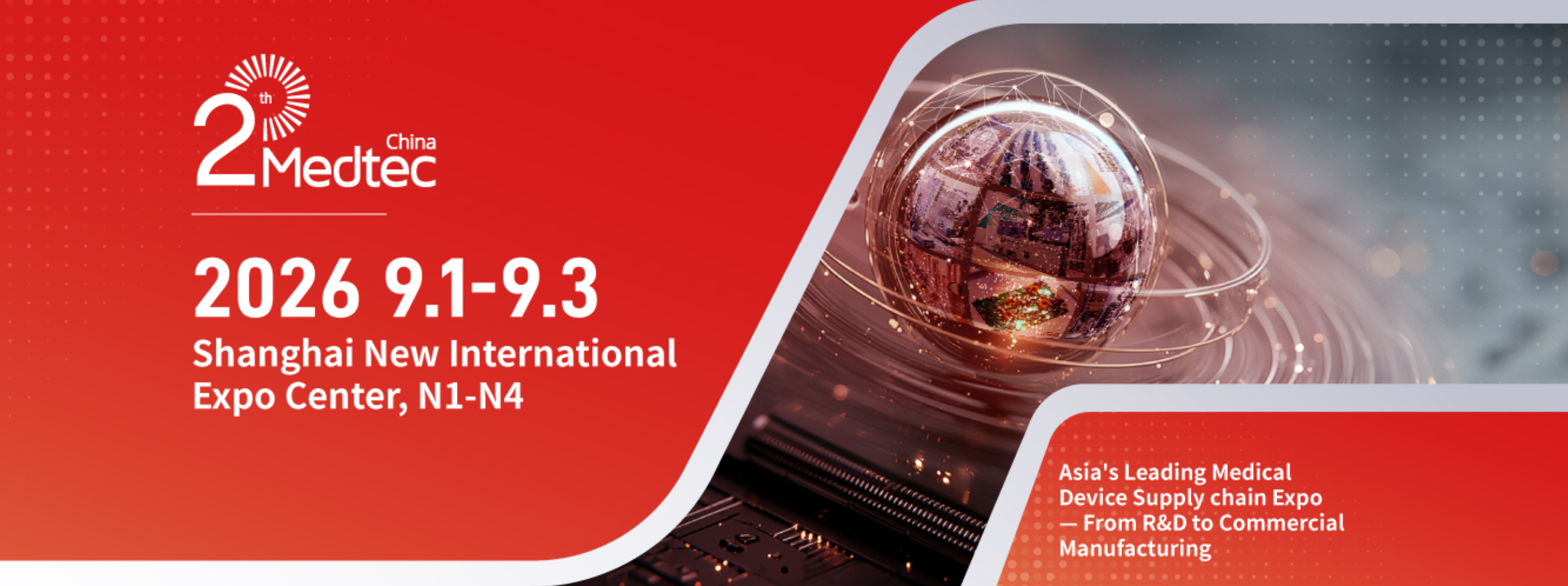
Within this decision process, Medtec China Medical Expo serves as a place to test assumptions against relevant suppliers and technologies. The Informa Markets-organized 20th edition is scheduled for September 1-3, 2026 at SNIEC in Pudong, halls N1-N4. The event is dedicated to medical-device R&D and manufacturing supply-chain solutions, not finished-device purchasing.
Procurement reviewers can use the exhibitor and product information to identify candidates before travel, leaving on-site time for verification rather than basic discovery. Free registration remains available to qualified international trade visitors through August 30, which gives buyer teams a clear deadline for confirming their review schedule.
Defining What a Qualified Supplier Must Demonstrate
Before candidates are compared, a supplier evaluation brief should define the engineering problem in measurable terms. Drawings, interfaces, operating conditions, tolerances, and technical fit, quality controls, communication routes, and service boundaries provide a stronger basis than a broad capability request.
A shared evidence file prevents procurement and engineering from scoring different versions of the same claim. The supplier-screening evidence set should record process limits, inspection coverage, traceability, change control, and open issues related to document control, inspection planning, corrective action, and change notification.
The team should also test whether candidate materials and components are compatible with downstream joining, cleaning, packaging, and inspection. A discussion anchored in a representative drawing-and-sample package is more informative than an unsupported claim of medical-industry experience.
At that stage, Medtec China can connect the requirement with the 2026 hall structure: N1-N2 emphasize materials, components, and precision work; N3 covers manufacturing services and automation; N4 adds packaging, R&D, testing, and inspection. Advance research for medical expo in China should narrow the meeting list, not simply expand it.
A candidate belongs on the schedule only when its category, evidence, and likely role match a documented project question. Technical interviews should begin with the conditions most likely to change the result. The answers help overseas procurement reviewers connect acceptance decisions with technical fit, quality controls, communication routes, and service boundaries.
Testing Claims against Drawings, Samples, and Controls
The team should follow material and data flow across prototype support, production processing, automation, and oem or odm services rather than score each technology alone. Operating limits, exception handling, controls, tooling, software, and responsibility reveal whether the proposed system is coherent.
Questions for medical expo in China become more useful when they refer to a representative drawing-and-sample package. That reference lets reviewers ask how inspection, maintenance, traceability, and change procedures would work in the intended setting. Demonstration results need context before they enter a scorecard.
Sample conditions, process settings, measurement methods, repeatability, operator effects, and differences from production inputs should all be recorded. Technical fit does not resolve production readiness and transparent responsibility allocation. The review must show which steps are internal or outsourced, how capacity is defined, who controls tooling and software, and how future changes will be approved.
When Medtec China Medical Expo is reviewed by several functions, the supplier comparison note should use common criteria. A shared record prevents unanswered engineering or quality questions from disappearing between departmental notes. Reviewers should grade evidence by relevance, completeness, and production context.
For a representative drawing-and-sample package, overseas procurement reviewers can weigh representative samples, process data, inspection records, service commitments, and documents against the quality requirements (document control, inspection planning, corrective action, and change notification) and the commercial conditions (production readiness and transparent responsibility allocation).
Converting Exhibition Meetings into a Shortlist
Supplier-screening teams can start with category fit in N1-N2, use N3 to study manufacturing and automation depth, and finish in N4 where packaging, consulting, testing, metrology, and inspection can be compared.
Every shortlisted contact needs a concise record of the claim, proof, gap, owner, and deadline. For overseas procurement reviewers, the supplier comparison note keeps open work on document control, inspection planning, corrective action, and change notification visible after travel. A hall route adds value when it reveals interfaces that separate supplier meetings may hide.
Medtec China helps relate prototype support, production processing, automation, and oem or odm services to the evidence expected from document control, inspection planning, corrective action, and change notification for a representative drawing-and-sample package. A promising booth discussion is the start of due diligence, not its conclusion.
Before overseas procurement reviewers accept evidence concerning document control, inspection planning, corrective action, and change notification, the risk of vague scope statements and incomplete evidence may call for controlled samples, technical reviews, audits, trials, commercial clarification, or drawings.
The order of meetings should not determine the order of later decisions. The unresolved risk for overseas procurement reviewers is vague scope statements and incomplete evidence; follow-up on technical fit, quality controls, communication routes, and service boundaries should therefore remain a priority.
International buyers should leave Shanghai with a smaller, better-evidenced supplier list and named follow-up actions. The September 1-3 event at SNIEC, N1-N4, is positioned around medical-device R&D and manufacturing rather than finished-device sales. Buyer teams can register free by August 30 and prepare the documents needed for objective evaluation.