As the world seeks alternatives to lithium-ion chemistry, gravity power electricity storage is emerging as a compelling solution for long-duration applications. Unlike conventional battery storage power station designs that rely on electrochemical cells, gravity systems lift and lower massive blocks using cranes or mine shafts, storing potential energy that can be dispatched over hours or days. For developers managing grid scale electricity storage portfolios, gravity offers advantages in cycle life (no degradation for decades) and environmental footprint (no toxic materials). However, deployment remains niche, and comparative economics against established technologies require careful scrutiny.
How Gravity Storage Compares to Battery Systems
A battery storage power station excels at rapid response and high round-trip efficiency (85–90%), making it ideal for frequency regulation and peak shaving. Gravity systems typically achieve 70–80% efficiency but provide greater durability under deep cycling. For grid scale electricity storage, the choice depends on application: batteries handle daily charge-discharge, while gravity suits weekly or seasonal shifting. Hybrid configurations are gaining traction, where a gravity plant provides bulk capacity and a smaller battery storage power station handles fast transients. Developers must model both capital expenditure and degradation rates over 20-year horizons.
Site Requirements and Environmental Considerations
Gravity storage demands specific topography—abandoned mine shafts, mountain gradients, or purpose-built towers—which limits deployable locations. In contrast, lithium-based grid scale electricity storage can be containerized and placed almost anywhere. However, gravity systems avoid thermal runaway risks and do not require rare earth metals. Cmmunity acceptance often favors gravity due to reduced fire and chemical concerns. Nevertheless, noise and visual impact of moving machinery must be managed.
Integrating Technologies for Optimal Grid Performance
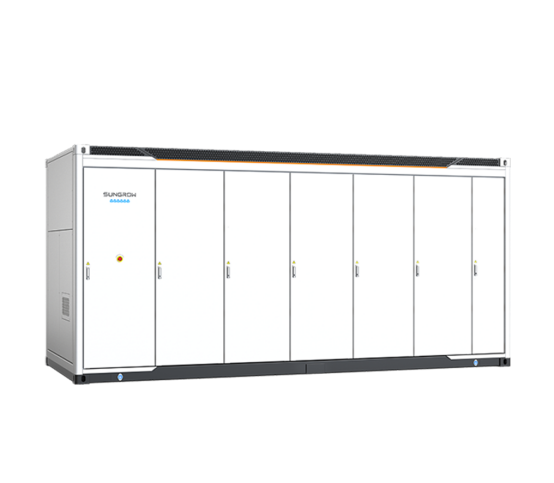
No single storage technology will dominate. Forward-looking operators combine solutions to balance cost, longevity, and safety. Sungrow delivers this hybrid mindset through the PowerTitan 2.0 liquid-cooled battery storage power station container (ST5015UX-2H). With high-efficiency heat dissipation, the system extends battery life and discharge capacity. A front single-door design supports back-to-back layouts, while factory functional testing reduces on-site work and accelerates commissioning. Convenient O&M features include one-click system upgrades, automatic coolant refilling, and online intelligent monitoring. Whether deploying stand-alone grid scale electricity storage or integrating gravity alongside Sungrow’s proven battery technology, asset owners achieve reliable, flexible energy storage tailored to real-world demands.