Entering the electric two-wheeler market involves more than finding products with attractive prices. New distributors must understand minimum order quantities, delivery schedules, warranty responsibilities, regional demand, and the level of support available after the first shipment arrives.
A sustainable electric scooter dealership depends on a supplier relationship that can accommodate changing sales patterns instead of simply offering a competitive quotation. Before committing capital or signing a long-term agreement, prospective dealers need clear answers about commercial terms, product suitability, and the practical responsibilities attached to the partnership.
Clarify Commercial Terms and Ordering Flexibility
Minimum order quantity is one of the first issues a prospective dealer should investigate. A large initial purchase may reduce the unit price, but it also ties up working capital and increases the risk of holding slow-moving inventory. New businesses generally benefit from understanding whether mixed models can be ordered together, whether repeat orders have different thresholds, and whether sample purchases are available. An electric scooter dealership should calculate the total cost of entering the market rather than judging a supplier by the quoted price per vehicle alone.
Payment arrangements deserve equal scrutiny. Deposits, balance-payment deadlines, accepted currencies, and possible charges for packaging or customization can significantly affect cash flow. Importers should also clarify which party handles freight booking, export documentation, customs-related paperwork, and insurance under the agreed shipping terms. Written quotations should identify the quotation validity period and specify which costs remain subject to change, helping both parties avoid disagreements after an order has been confirmed.
Forecasts rarely match actual sales perfectly, especially during a market launch. Prospective electric motorcycle suppliers should be asked about repeat-order lead times, seasonal production capacity, and the process for handling urgent replenishment requests. It is also worth checking whether a dealer can adjust a future order before production begins and what fees might apply. Flexible ordering arrangements can be commercially valuable because they allow inventory decisions to respond to real demand rather than relying entirely on an initial sales forecast.
Examine Product Quality, Compliance, and Warranty Responsibilities
A product catalogue provides only a starting point for supplier evaluation. Dealers need technical specifications for each configuration, including rated motor power, battery chemistry and capacity, charging requirements, maximum speed, and the conditions under which any stated range was measured. These details should be consistent across quotations, product documentation, and sales materials. For an electric scooter dealership, clear specifications make it easier to compare products fairly and reduce the likelihood of customer complaints caused by misunderstood performance claims.
Compliance requirements must be checked against the destination market before inventory is purchased. Rules may differ for road use, vehicle classification, lighting, braking systems, battery transport, and product labeling. A certificate applicable to one country or model may not satisfy another market’s requirements. Prospective electric motorcycle suppliers should identify which documents are available for the exact configuration being sold and clarify whether the importer must arrange additional testing, registration, or local approvals.
Warranty terms should describe more than the coverage period. Dealers need to know which components are covered, what evidence is required for a claim, who pays shipping costs for defective parts, and how manufacturing defects are distinguished from damage caused by misuse. Battery and electrical-system issues may require different diagnostic procedures from cosmetic defects. A supplier with a documented claim process, accessible replacement parts, and clear response timelines can help retailers manage customer expectations and estimate the ongoing cost of after-sales service.
Assess Supplier Capability and Long-Term Partnership Support
A supplier’s production capability should match the dealer’s intended business scale. Useful questions include how production schedules are confirmed, how quality inspections are recorded, and how shortages or specification changes are communicated. Prospective partners should also establish a contact point for order coordination and technical questions. These arrangements become particularly important as a business grows from occasional purchases into a regular distribution operation.
Product support and marketing resources can influence how quickly a new range reaches customers. Dealers may need accurate product photographs, specification sheets, manuals, spare-parts catalogues, and training materials for sales and service staff. Custom branding or localized documentation may also require approval, minimum quantities, or additional development time. When comparing electric motorcycle suppliers, businesses should confirm what support is actually included in the partnership and which services incur extra charges.
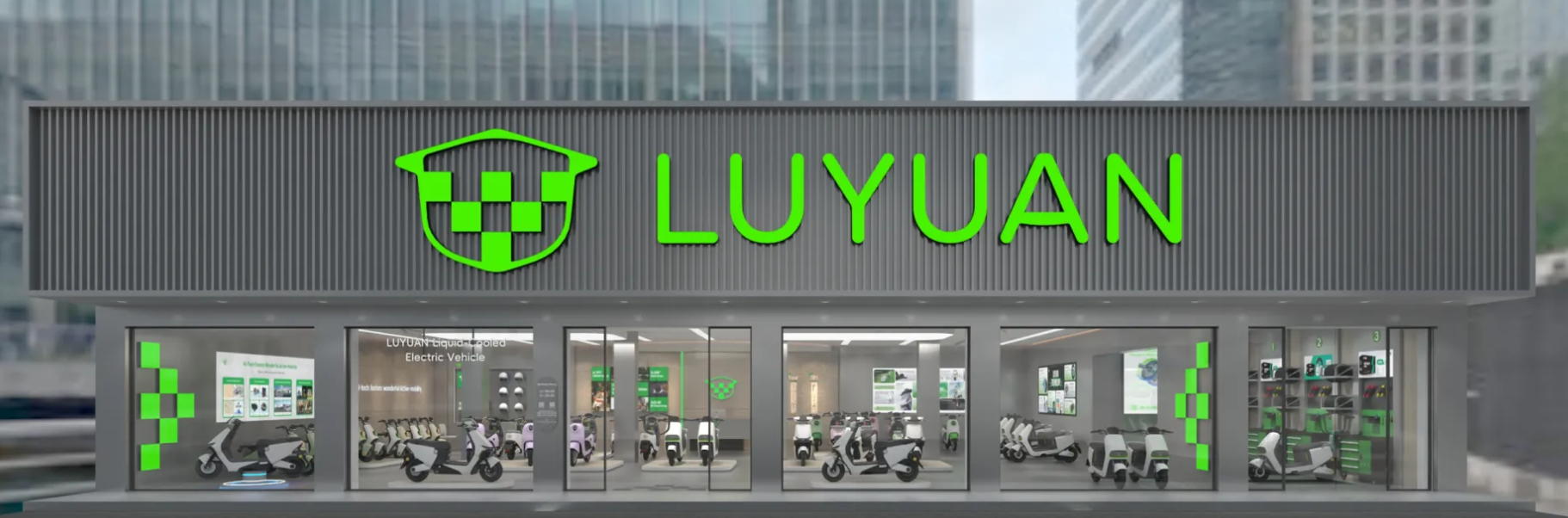
LUYUAN, an electric two-wheeler manufacturer founded in 1997, provides a relevant example of a company with an established international distribution network. Its official partner information invites businesses interested in cooperation to explore partnership opportunities, while the company’s product portfolio spans different forms of electric mobility. Prospective dealers can use the partnership discussion to clarify regional market arrangements, available model configurations, ordering procedures, and after-sales support. These details matter more than general promotional claims because they determine how a proposed relationship would operate in practice.
Conclusion
A supplier agreement shapes far more than the price of the first shipment; it affects inventory exposure, customer service, compliance responsibilities, and the ability to expand into new markets. Before committing, prospective dealers should obtain written answers, compare the full landed cost, and verify technical and commercial claims against the actual products being offered.
A well-prepared electric scooter dealership can build a more realistic launch plan by resolving these questions early, while transparent communication with electric motorcycle suppliers helps reduce avoidable uncertainty as order volumes increase. As an established manufacturer, LUYUAN offers a starting point for businesses exploring distribution cooperation, but the final decision should rest on documented terms, market fit, and support that matches the dealer’s operating needs.