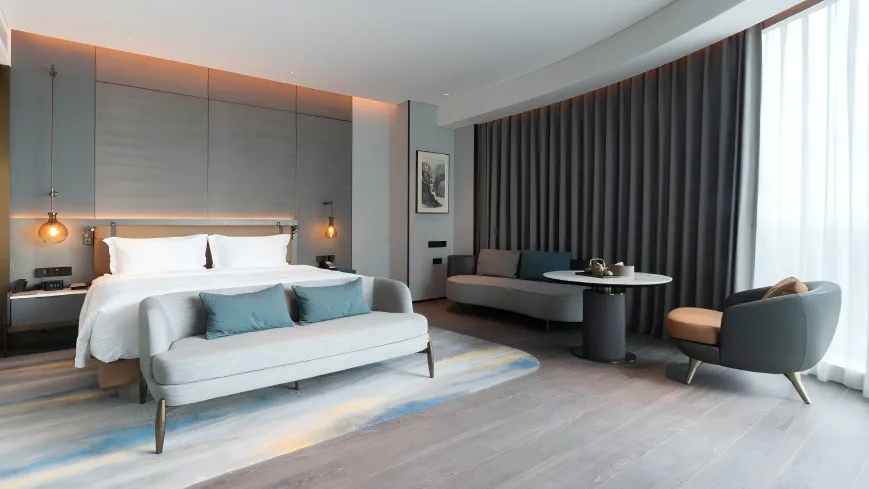
When a traveler steps into a newly opened hotel suite after an eleven-hour flight, their physical interaction with the interior space begins immediately. The smooth glide of a drawer, the supportive comfort of an armchair, and the solid feel of a nightstand silently communicate the overall quality of the property.
For hospitality design teams, delivering this high-touch experience requires navigating complex trade-offs between visual appeal and operational longevity. Balancing intricate design concepts with the continuous wear of short-term occupancy presents a persistent challenge during project development.
Specifying commercial-grade hotel guest room furniture involves far more than picking attractive upholstery and wood stains. Interior architects must evaluate structural frameworks, joinery techniques, and protective finishes to support long-term performance across hundreds of identical guest rooms.
Maximizing Spatial Efficiency in Compact Layouts
Modern hotel guest rooms continue to lean toward streamlined, space-conscious layouts that optimize available floor area. As square footage grows more premium, every casegood element must serve multiple practical functions without crowding transit corridors or restricting guest movement.
Integrated wall-mounted headboard systems represent an effective space-saving solution. By consolidating reading lamps, electrical outlets, USB charging ports, and floating nightstands into a unified wall structure, design teams can free up valuable room floor space.
Similarly, traditional bulky writing desks are increasingly giving way to adaptable work-dining tables. Pairing a flexible work surface with a multi-purpose lounge chair allows guests to switch effortlessly between remote business tasks and light in-room dining.
Selecting High-Performance Materials for Guest Amenities
Exterior surfaces in guest rooms experience constant exposure to luggage scrapes, hot coffee cups, and chemical cleaning agents. Utilizing high-pressure laminates or thick engineered veneers treated with polyurethane clear coats helps protect exposed surfaces from unsightly stains and scratches.
Upholstered seating requires fabrics engineered specifically for heavy commercial application. Specifying textiles with high rub counts and integrated stain-repellent treatments helps housekeeping teams maintain a clean appearance while extending the replacement interval for soft furnishings.
To achieve consistent material standards across expansive hotel developments, developers frequently partner with established global suppliers like BFP Furniture. Working with an experienced manufacturing partner helps ensure compliance with engineering drawings and quality benchmarks throughout the production run.
Structural Integrity and Hardware Standards in Hotel Room Furniture
Beneath decorative exterior veneers, internal frame engineering determines how well casegoods endure years of daily use. Kiln-dried hardwood frames, reinforced mortise-and-tenon joints, and heavy-duty steel corner brackets aid in preventing joints from loosening over time.
Cabinet hardware represents another critical failure point if under-specified. Heavy-duty, full-extension drawer glides featuring soft-close mechanisms support smooth mechanical movement while reducing sound transmission through shared partition walls during late-night hours.
Custom wardrobe units and integrated minibar cabinets also demand careful internal engineering. Providing hidden ventilation channels and organized cable management cutouts helps prevent heat buildup from compact refrigerators, supporting appliance efficiency and cabinet durability.
Enhancing Guest Comfort Through Ergonomics and Lighting
Ergonomic considerations play a central role in how guests perceive their stay. Specifying appropriate seat heights, backrest inclinations, and foam densities in lounge seating helps accommodate various guest body types, making the guest room environment far more accessible and comfortable.
Thoughtful ergonomic specification also reduces physical fatigue during extended periods of sitting, an important detail for high-occupancy hospitality properties hosting diverse groups of travellers. Even subtle adjustments to armrest height and seat depth can improve the overall user experience, without altering the space’s intended design language.
Integrating discreet ambient LED lighting within millwork elements elevates both function and mood. Concealed night-lights under floating bed frames or beneath bathroom vanities guide guests safely during the night without requiring them to turn on harsh overhead fixtures. These low-glow light sources minimise sleep disruption for resting occupants, while adding soft visual depth to guest-room joinery and hard-surface finishes.
Acoustic Management and Fire Safety Compliance
Guest room furniture plays an often-overlooked role in controlling room acoustics. Upholstered headboards, fabric-wrapped wall panels, and cushioned lounge seating help absorb ambient sound reflections, creating a quieter indoor environment that supports restful sleep.
Safety standards must also govern all raw material selections. Specifying fire-retardant foam, flame-resistant upholstery, and rounded corners on bed bases helps operators meet strict local building codes while mitigating potential tripping hazards in narrow pathways.
Logistical Coordination and Floor-by-Floor Installation
Procuring hundreds of room sets requires a disciplined logistical approach to prevent construction bottlenecks on site. Staggering factory production phases allows logistics teams to coordinate container deliveries directly with the progress of interior finishing trades.
Receiving commercial hotel room furniture in phased shipments helps protect finished pieces from active construction dust and minimizes crowded staging areas within the property. With deliveries organised in this way, fit out teams can complete guest floor furnishing in a methodical, floor by floor sequence.
Guest-room joinery and freestanding seating, when carefully specified, directly contribute to favourable guest feedback and extended in-service lifespans. Hotel owners can preserve lasting asset value by weighing real-world durability equally alongside visual appeal during product selection.